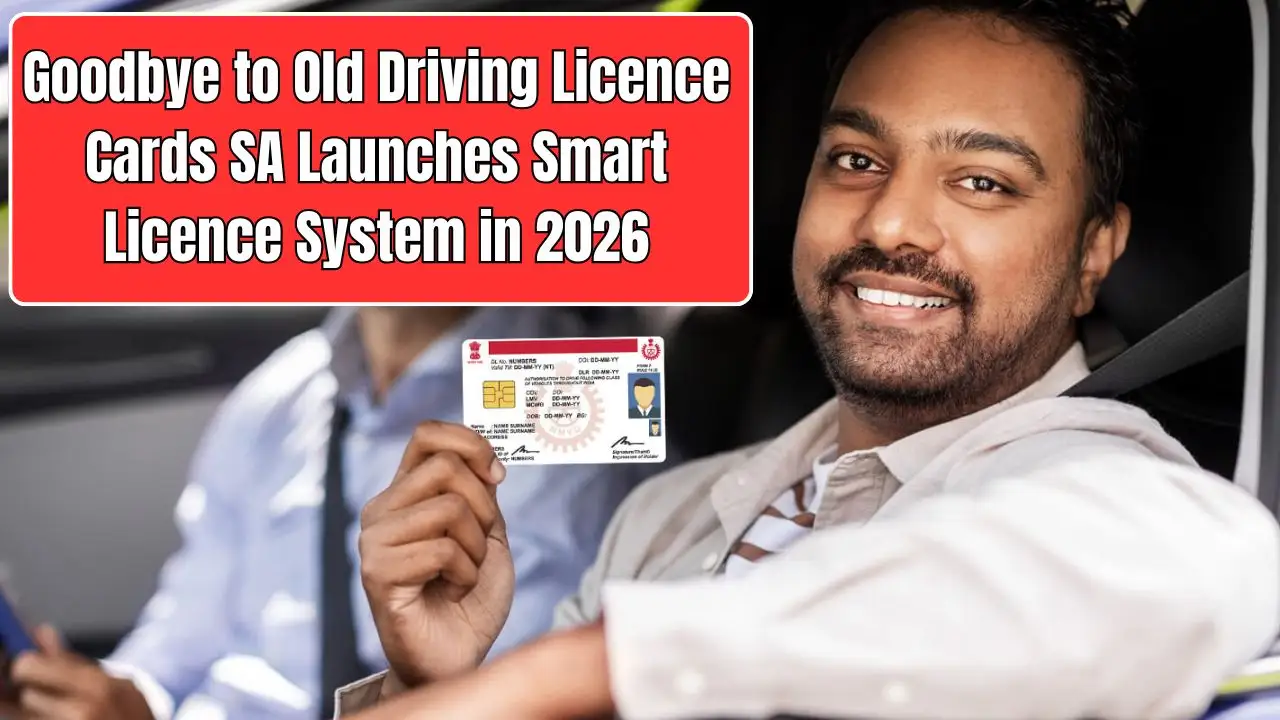
South Africa will launch its Smart Driving Licence Card system on 25 January 2026, changing the way in which the country manages and administers road users and road safety. The 55-year-old traditional driving licence card is being left behind in favor of a huge technological advancement driven by security, efficiency, and service convenience as the birthright of most people and vehicles in SA. The move is part of a wider government initiative aimed at modernizing public service and reducing fraud.
Old Driving Licence Cards Are Being Phased Out Because
Driving licence cards in South Africa have been heavily criticized. Firstly, their security was very weak. Secondly, renewal was taking too long. And thirdly, the old licence cards got easily duplicable. General wear made them easily damaged, further complicating their enforcement and verification. The smart licence system is specifically designed using digital security measures that beat all current international security and standard-setting options.
Key Features Differentiating It from Other Licence Systems
The smart licence cards to be issued are anticipated to carry additional protection features such as encrypted chips and analog over biometric verification linkages. Additionally, the system will secure all the information regarding its holders digitally. The system, however, is designed for discretion and easy connectivity with national transport and identity databases. Consequently, lesser discrepancies and supplementary administrative delays at the point of meeting ID requirements are expected to occur.
Somal Practice in South Africa
The implementation will not require a rush to replace drivers’ licences. Old licences will remain effective until the end of their validity. There will be a smart licence system under which any application and renewals for a driving licence from 25 January 2026 onwards will be conducted. The requests by individuals to ensure that their personal information is updated on the National Traffic Information System would assist the Department in processes to avoid any hiccups that might occur during their next renewals.
Projected Output and Consistent Hurdles
The Department of Transport is hopeful that the extensive system may decrease fraud greatly, reduce processing times somewhat, and generally enhance service delivery; yet on the other hand, initial difficulties, such as high demand, system glitches, and delays in booking appointments, might possibly swamp the very first months of conversion. It was noted that special arrangements had been laid down to handle the transition smoothly.
MAJOR DEVELOPMENT IN DIGITAL TRANSPORT SERVICES
The launch of the smart licensing system marks a big leap in South African transport reforms. The switch from brittle license cards to hardened digital licenses is a watershed in making the part through safer roads, good governance and efficient driver services for our motorists after 2026.